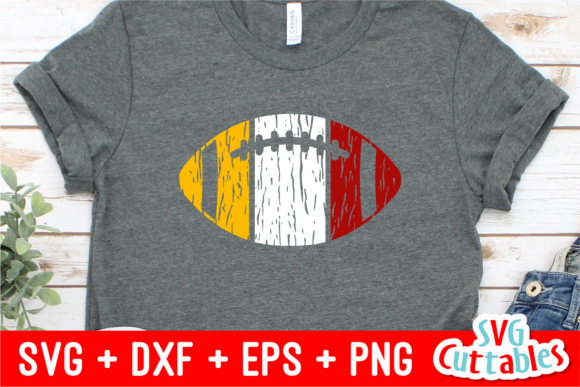
Reviewing the Distressed Football Svg for Real Embroidery
As a designer who spends half my life digitizing and the other half stitching, I have learned that not every graphic translates well to thread. When I first pulled up the Distressed Football Svg, my immediate reaction was one of cautious optimism. The distressed aesthetic is trendy, but in the world of machine embroidery, "distressed" can sometimes mean "fragmented," which leads to jump stitches and loose threads if not handled correctly. This review breaks down how this specific digital asset performs when moved from the screen to the hoop, focusing on practical application for craft businesses and personal projects alike.
First Impressions and Visual Mood
The visual personality of this design is rugged and nostalgic. It captures the worn-in feel of a well-loved game day jersey or a vintage sports poster. For embroidery designers, the key question is always about detail retention. The distressing effect creates negative space within the football shape, which is excellent for reducing stitch density naturally. However, it requires a keen eye for scale. If you shrink this design too much, those intentional gaps might disappear, turning a stylish graphic into a muddy blob of thread. Conversely, at a larger size, the texture shines, offering a sophisticated look that elevates a simple handmade product beyond basic clip-art quality.
Real-World Application: The Custom Sweatshirt Test
To truly evaluate the Distressed Football Svg, I imagined a common scenario for many Etsy sellers: a custom order for a family’s game day sweatshirts. The client wants something that looks professional but not overly stiff. Using this design as a central chest piece or a large back print works beautifully. Because the design includes broken lines and textured edges, it pairs exceptionally well with the natural texture of fleece or cotton blends. Unlike a solid fill stitch block that can feel heavy and plastic-like on fabric, the distressed approach allows the garment’s material to breathe through the design. This results in a softer hand feel, which customers appreciate in custom apparel.
For those creating an embroidered patch, this graphic is also a strong contender. The irregular edges mimic the look of a vintage iron-on, adding character to tote bags or caps. When used on a tote bag design, especially canvas, the bold shapes hold up well against the coarse weave. It is important to note that while the file is marketed as a digital cut file for machines like Cricut and Silhouette, its value for embroiderers lies in using the SVG or PNG as a reference for digitizing or as a base for applique work.
Navigating Fabric and Hoop Constraints
Not every surface is friendly to distressed graphics. When working with stretchy fabric like performance jerseys, you must be careful. The gaps in the design mean there are fewer anchor points for the thread. Without proper stabilization, the design could distort during wear or washing. I recommend using a cut-away stabilizer for these projects to ensure longevity. On thin fabric such as baby onesies, the contrast needs to be high. A light thread on white fabric might get lost in the distressed details. Here, choosing bold thread colors like navy, crimson, or forest green helps define the shape clearly.
Hoop size is another critical factor. If you are attempting cap embroidery, the curved surface can distort intricate details. Since this design relies on specific broken lines to create its mood, testing on a curved dummy head is essential before stitching the final product. For flat items like pillow covers or kitchen towels, the design scales nicely. A smaller version on a towel corner makes for a subtle, classy accent, while a large version on a pillow becomes a statement piece for nursery decor or man-cave aesthetics.
Technical Considerations for Digitizers
It is vital to clarify what this product is. The description states it is a Digital Cut file including SVG, DXF, PNG, and EPS formats. It is not a pre-digitized machine embroidery design file like PES or DST. This distinction matters. You cannot load this directly into your embroidery machine software and expect it to stitch out. Instead, you use these graphics as the foundation for your own digitizing process. This is actually a benefit for experienced designers because it gives you full control over stitch density, underlay, and stitch types. You can decide whether to use a satin stitch for the outlines or a running stitch for a sketch-like effect.
When converting this SVG into an embroidery file, pay attention to the small isolated elements created by the distressing. Tiny floating shapes can cause thread nests or trimming issues. You may need to merge some of the smaller fragments or adjust the minimum stitch length in your digitizing software. Always run a simulation to check for excessive jumps. A well-digitized version of this design should minimize travel stitches to keep the back clean and the front professional.
Commercial Viability and Brand Consistency
For small shop product lines, consistency is key. The Distressed Football Svg offers a versatile aesthetic that fits well within sports-themed collections, fall seasonal releases, or father’s day promotions. Its neutral yet thematic nature allows it to pair with various typography styles. When creating printable mockup images for your online store, this design photographs well because the texture adds depth even in 2D representations. This enhances buyer engagement, as customers can visualize the quality of the finished item.
However, always verify licensing terms. While the file is suitable for commercial use in physical products, ensure you are not reselling the digital file itself unless explicitly permitted. Using it to create unique personalized gift items adds value because it looks custom-designed rather than mass-produced. This perception of exclusivity can justify higher price points for your craft business.
Final Verdict and Practical Tips
The Distressed Football Svg is a robust asset for designers who understand the bridge between vector graphics and textile art. It is not a plug-and-play solution for beginners who lack digitizing skills, but for those willing to put in the technical work, it offers high reward. To get the best results:
- Always test stitch on scrap fabric similar to your final project material.
- Check thread color contrast, especially on dark or patterned fabrics.
- Inspect small details in your digitizing software to prevent loose ends.
- Use appropriate stabilizers to support the open areas of the design.
- Compare light and dark background mockups to ensure visibility.
In conclusion, this graphic holds up well under scrutiny. It provides the raw material needed to create high-quality holiday embroidery or year-round sports merchandise. By treating it as a design element rather than a final stitch file, you unlock its full potential for creating standout finished product items that resonate with customers looking for authenticity and style.